Everything you need to understand, audit, and improve your visibility in AI search — Google AI Overviews, ChatGPT, Perplexity, and Claude.
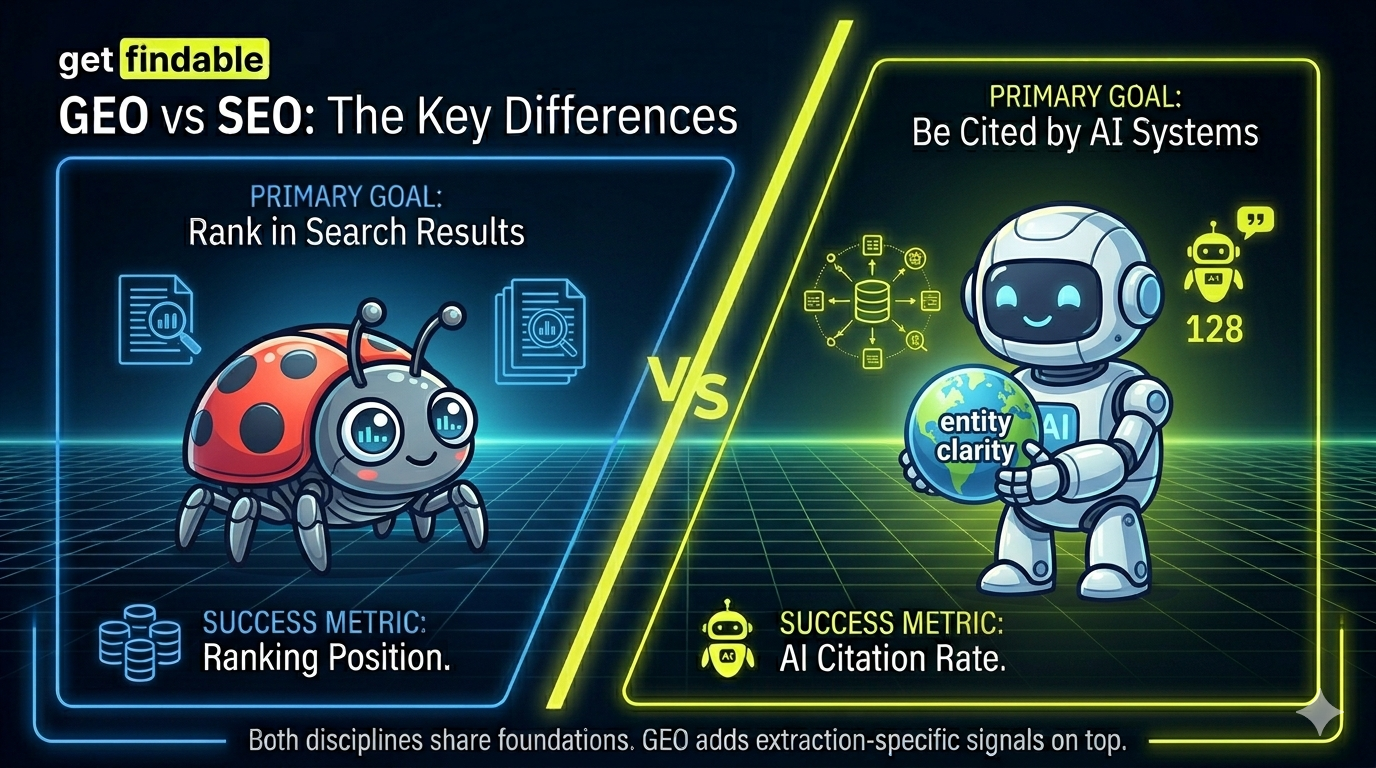
GEO (Generative Engine Optimization) is the practice of optimizing content so that AI systems — including Google AI Overviews, ChatGPT, Perplexity, and Claude — cite it as a source when generating answers. Unlike traditional SEO, which optimizes for ranking position in a list of results, GEO optimizes for extraction probability: the likelihood that an AI system will pull from your content and reference your brand when answering a relevant query.
Your content must directly answer the exact query — not just cover the topic generally. Use the query as an H2 heading.
Answer first, context second. AI systems extract the most relevant passage — pages that bury the answer lose.
Pages with specific statistics, named sources, and original data are disproportionately cited. Aim for 3+ data points per 500 words.
Visible author credentials, outbound citations to primary sources, and first-hand experience signals all increase citation probability.
FAQ sections with explicit Q&A pairs give AI systems pre-formatted extraction units. Add FAQ schema markup to reinforce the signal.
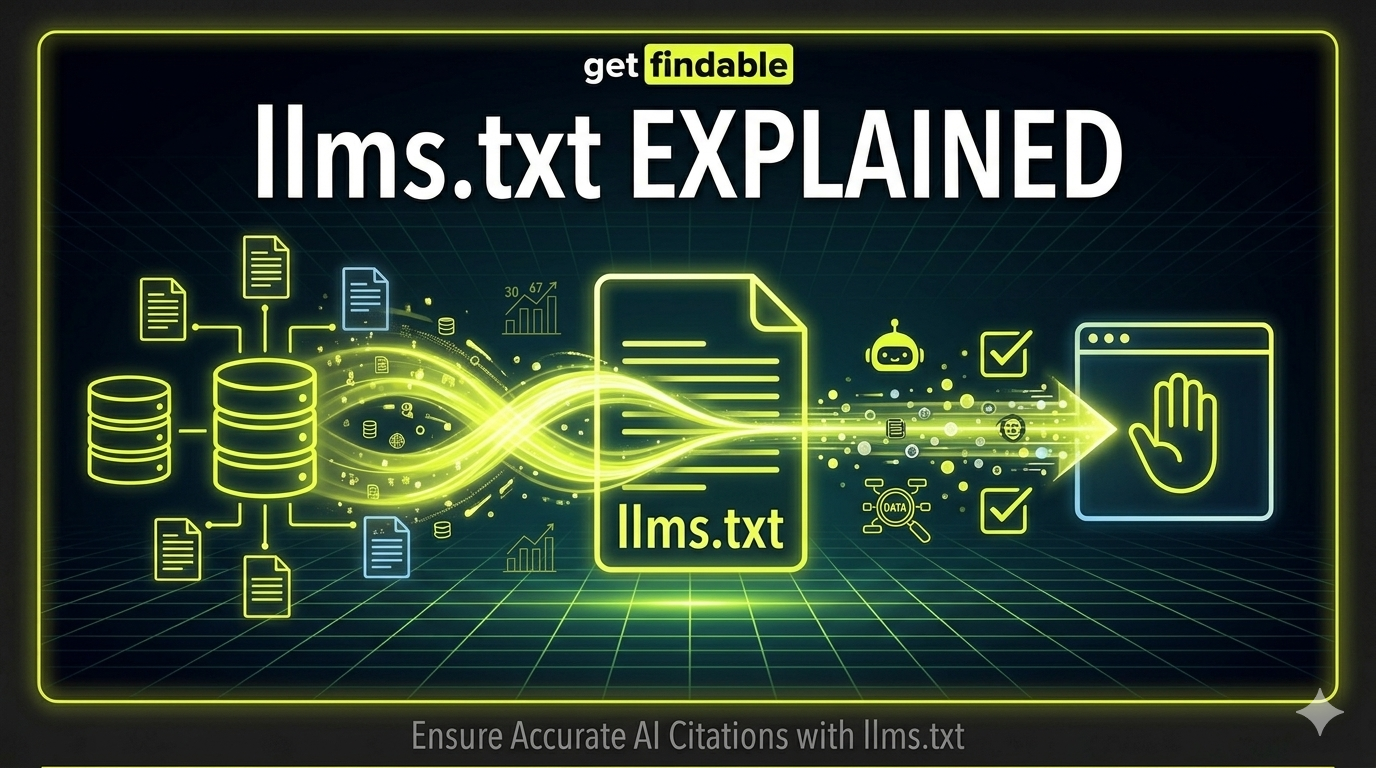
A properly configured llms.txt file tells AI crawlers exactly what to access and how to represent your brand — no guessing.
Two scores — one for Google AI Overviews, one for LLM agents. Per-criterion breakdown and prioritized fixes in under 30 seconds.
Claude analyzes your site content and generates a deploy-ready llms.txt file — with justified recommendations on what to expose vs protect.
No — GEO adds an optimization layer on top of SEO, it doesn't replace it. Technical SEO, E-E-A-T, and content quality remain foundational for both. GEO adds extraction-specific signals: direct answer structure, factual density, and crawler access control.
For Google AI Overviews, yes — you need to rank within the first two pages. But for LLM agents like ChatGPT and Perplexity, ranking is less critical. They have their own retrieval systems and may cite pages that don't rank highly in traditional search.
Manually query ChatGPT, Perplexity, and Google AI Overviews weekly for your target queries and track whether your brand is cited. Monitor changes in direct traffic, which may signal AI-driven brand awareness. Use GEOscore to audit individual pages for citation readiness.
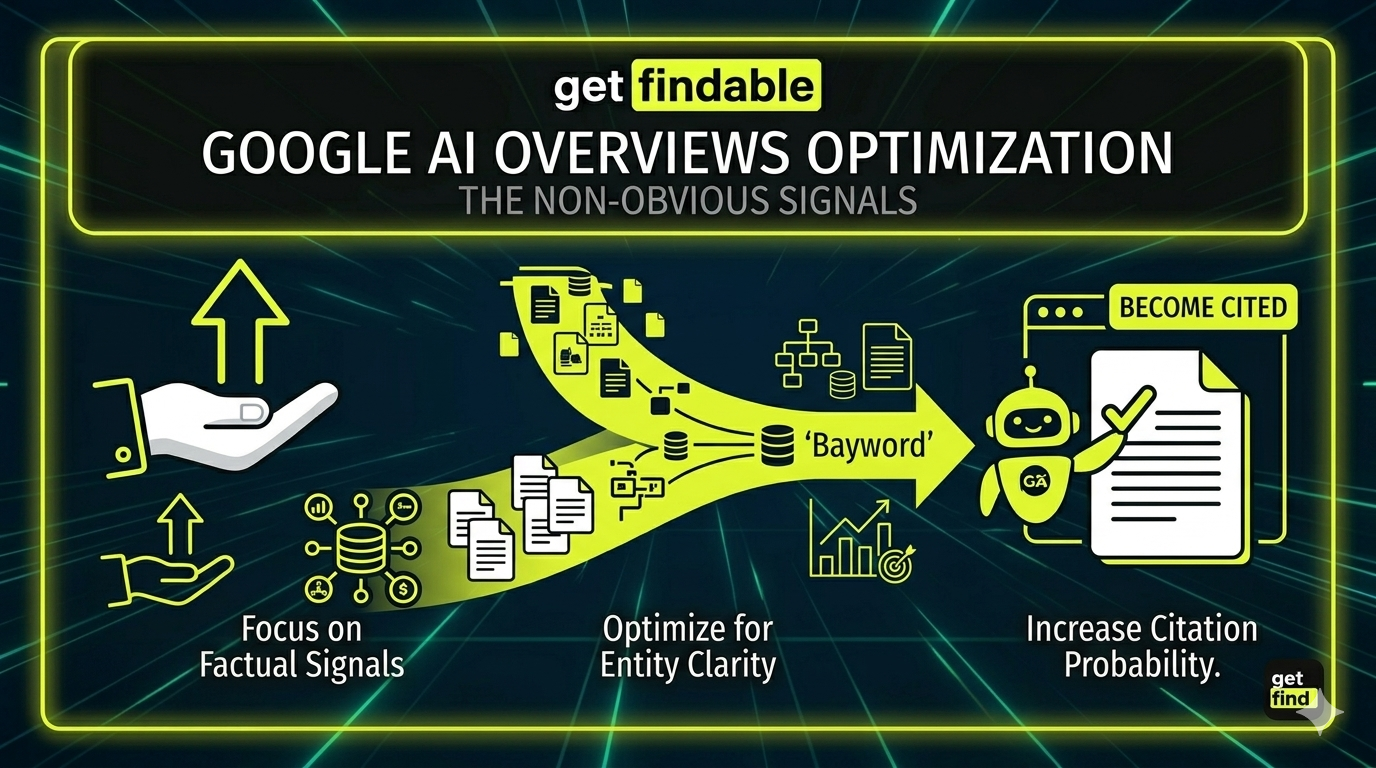
Google AI Overviews extract a direct answer from your page and display it at the top of search results. LLM agents (ChatGPT, Perplexity, Claude) choose sources to cite in their generated responses. The signals that drive each are different — which is why GEOscore audits both independently.
Faster than traditional SEO in some cases. AI systems update their knowledge more frequently than Google's ranking algorithm. Some practitioners report appearing in AI responses within days of publishing optimized content. Building consistent citation authority across multiple AI systems takes months of sustained effort.
Bundle
GEOscore + llms.txt Pro — audit your content visibility and control your crawler access in one workflow. $9 cheaper than buying separately.